
Ganagapur
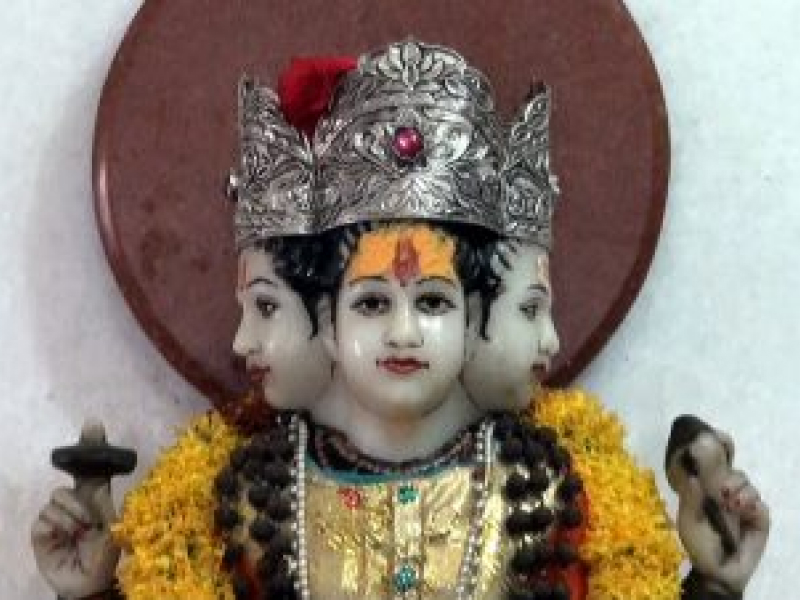
Discover the spiritual essence of Ganagapur, a revered destination linked to Sri Nrusimha Saraswathi, the second incarnation of Lord Dattatreya. Home to the Nirgun Paduka Math, Ganagapur is sanctified by the padukas (footwear) of Sri Nrusimha Saraswati, symbolizing his eternal presence. This holy town, celebrated in the Guru Charitram, promises divine experiences across its three main sacred sites:
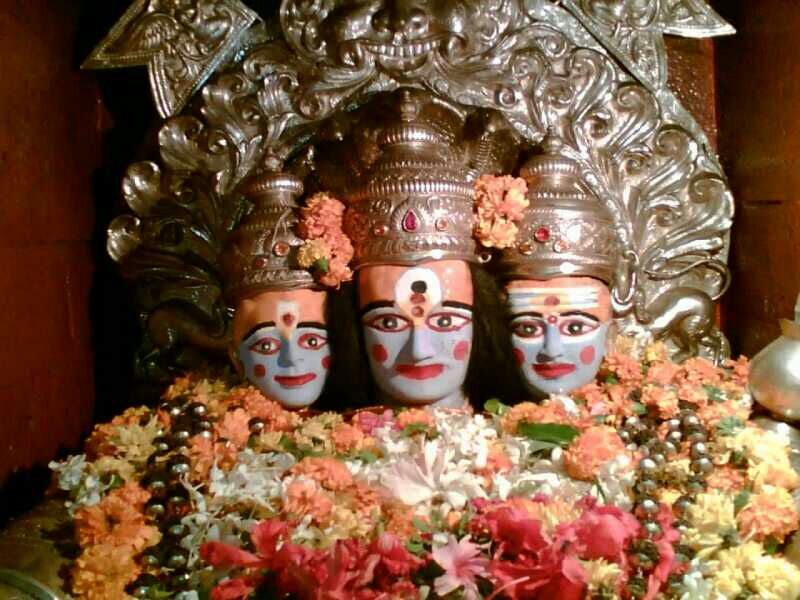
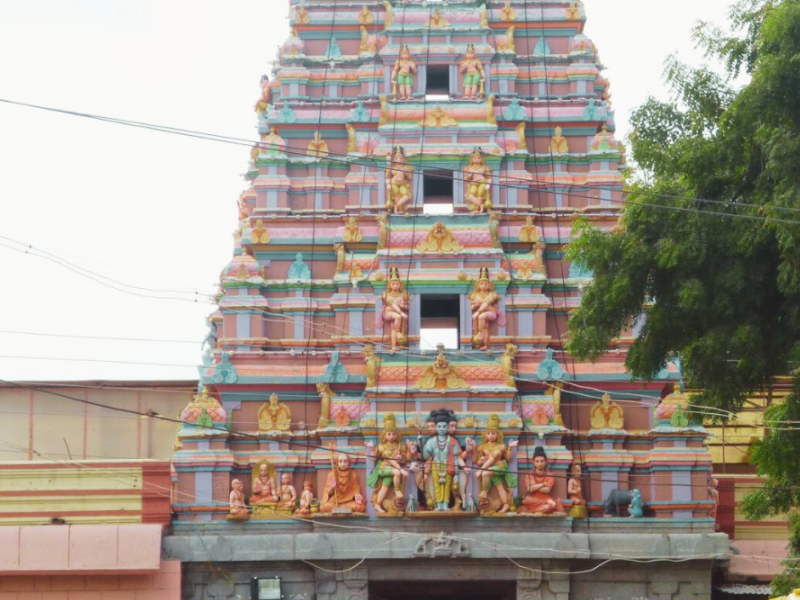
- Sangamsthan: The confluence of the Bhima and Amarraja rivers, embodying devotion.
- Nirgun Math: The pivotal Datta temple, representing karma or action.
- Kalleshwar Mandir: A sanctuary for spiritual liberation, hosting deities like Kalleswar and Panchmukha Anjaneya Swamy.
Akkalkot
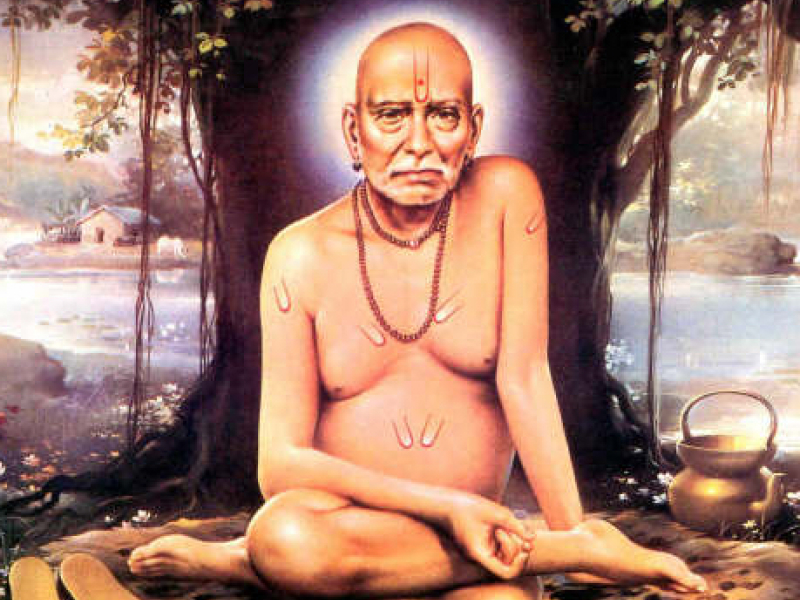
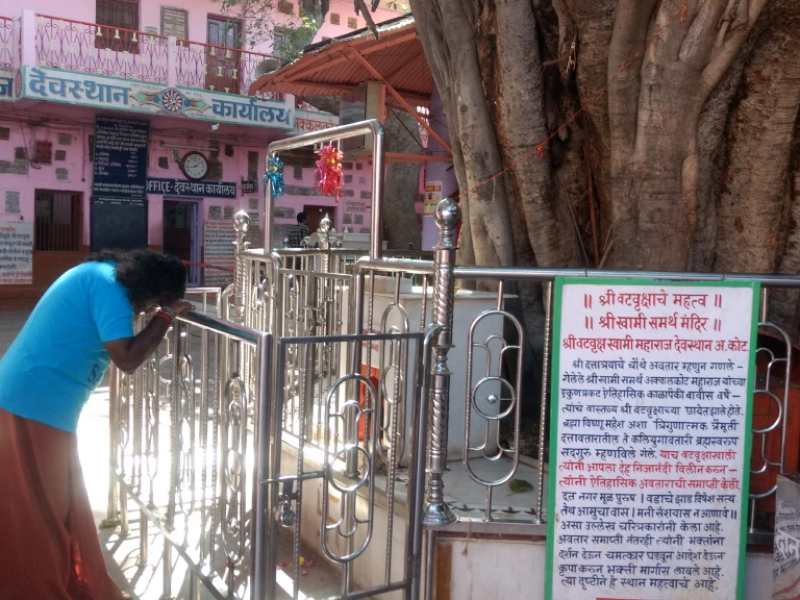
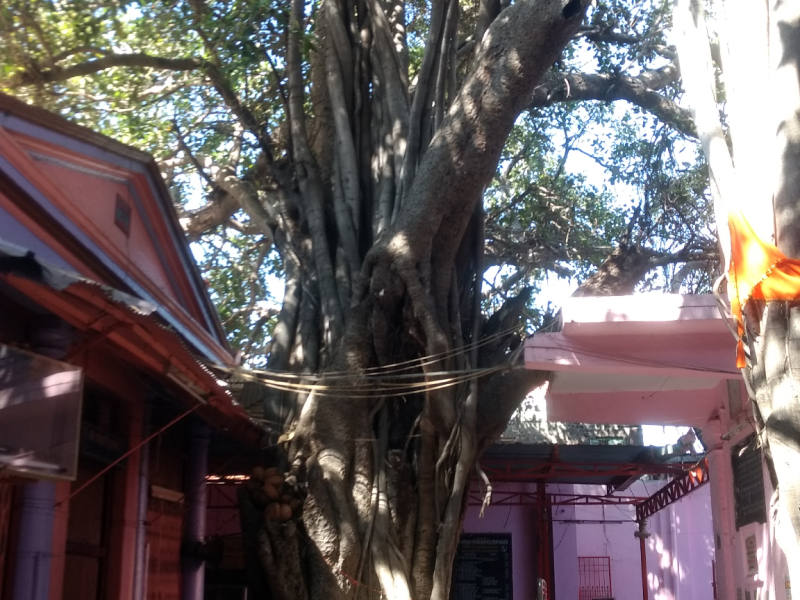
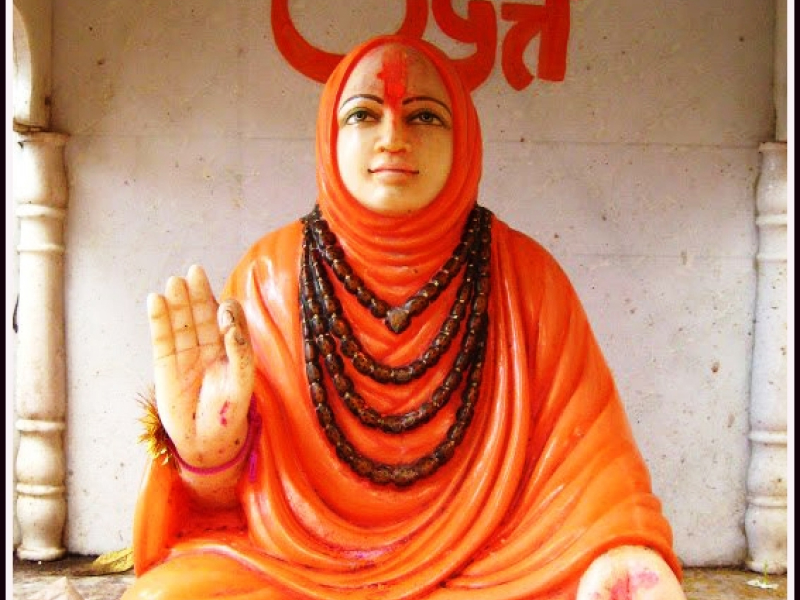
This town is home to Shri Akkalkot Maharaj, also known as Swami Samarth (Samarth – One Who Has the Power), who is considered the third incarnation of Lord Dattatreya. He is also believed to be a reincarnation of Narasimha Saraswati, the second incarnation of Lord Dattatreya. He resided in Akkalkot for twenty-two years, where he also chose to leave his body in 1878. At that time, he seated himself in Padmasana (Lotus Posture) and uttered his last words – ‘No one should weep, I shall always be present at all places, and I shall respond to every call of the devotees.’ Tradition holds that when he took Samadhi, his soul split in two – one part merged with the banyan tree, which is now worshipped as his Samadhi, and the other merged with Sai Baba of Shirdi. The fame of Sai Baba grew far and wide right after the merger.
Pandharpur
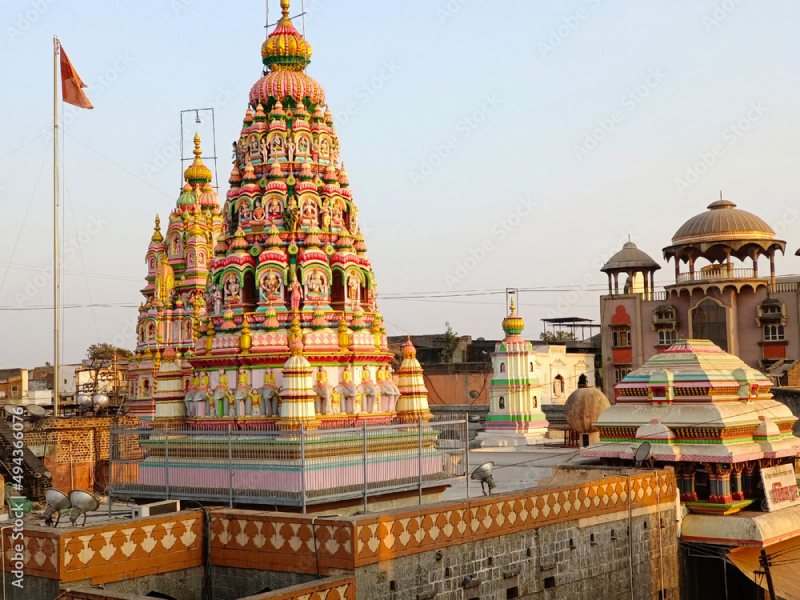
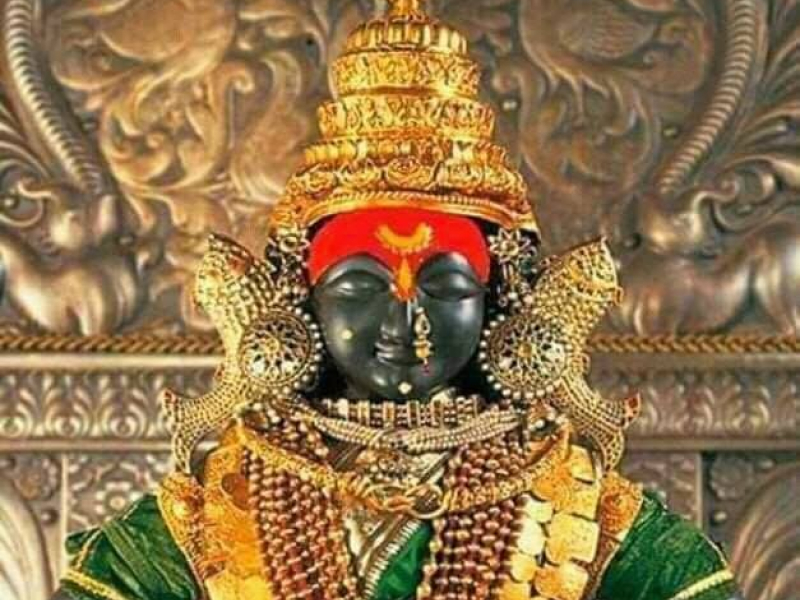
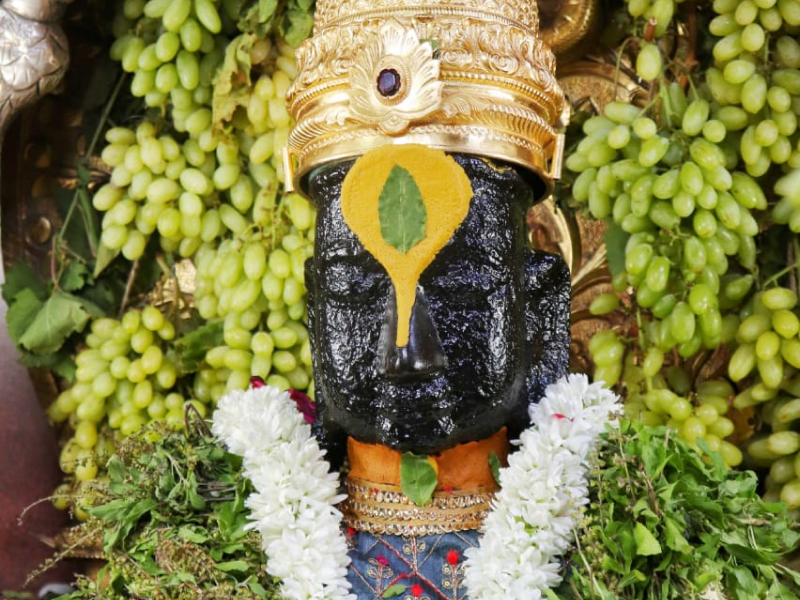
Explore Pandharpur, a revered pilgrimage site nestled on the Chandrabhaga river’s banks. Famous for its Shri Vitthala and Rukmini temple, it’s a cornerstone of Vaishnava faith in Maharashtra. This sacred town celebrates Lord Krishna’s enduring devotion, depicted as Vitthala, who has been standing on a brick for 28 yugas, honoring a devotee’s duty to his parents.
Rich in scriptural mentions, Pandharpur’s spiritual significance surpasses renowned holy sites as noted in the Skanda Purana. It’s a powerhouse of piety, offering immense merit for pilgrimages and donations. Once the heart of Maharashtra’s Bhakti movement, this temple, considered the state’s kul devata (family deity), magnetizes a million pilgrims annually during June-July. Discover the divine embrace of Pandharpur, a testament to devotion and spiritual fulfillment.
Kolhapur
Explore the sacred Mahalaxmi Temple of Kolhapur, revered as one of the three and a half Shakti Peethas, symbolizing the goddess of power, Shakti. This ancient temple, steeped in mythological lore, holds the belief that Goddess Sati’s eyes fell here, making it a site of immense spiritual significance.
Kolhapur’s Shakti Peetha stands out as one of six places offering spiritual liberation or fulfillment of desires. The temple venerates ‘Amba’ or ‘Ambabai’, the Mother Goddess, who, according to the 18th-century text ‘Kolhapur Mahatmya’, vanquished the demon Kolasura.
Highlights of this temple include:
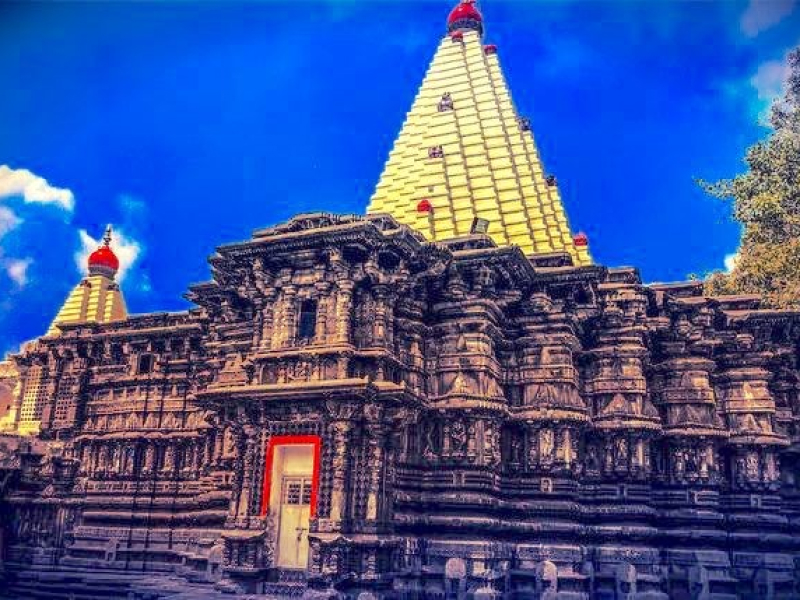
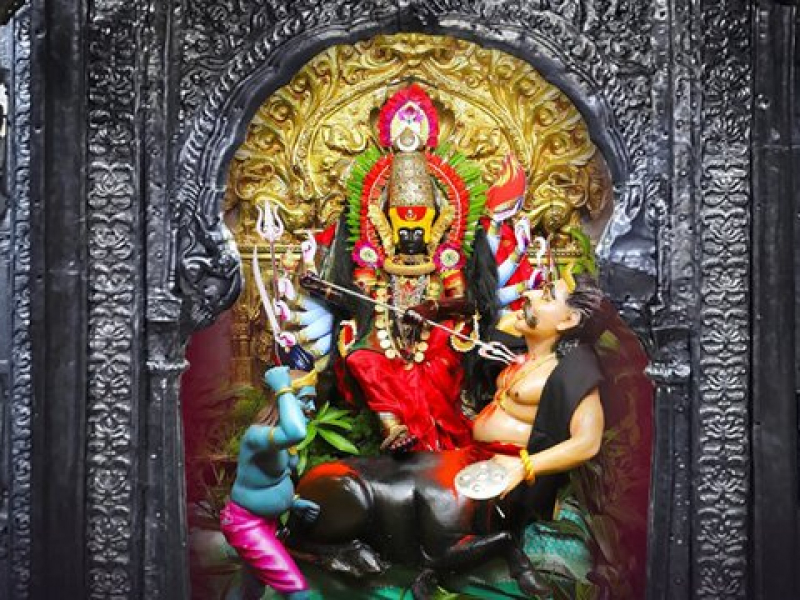
- The Goddess’s idol, made from a precious 40-kilogram gemstone, is placed on a 3-foot high platform.
- Unique architectural feature where the sun’s rays illuminate the deity during certain sunrise and sunset days each year, symbolizing enlightenment and prosperity.
Narsoba Wadi
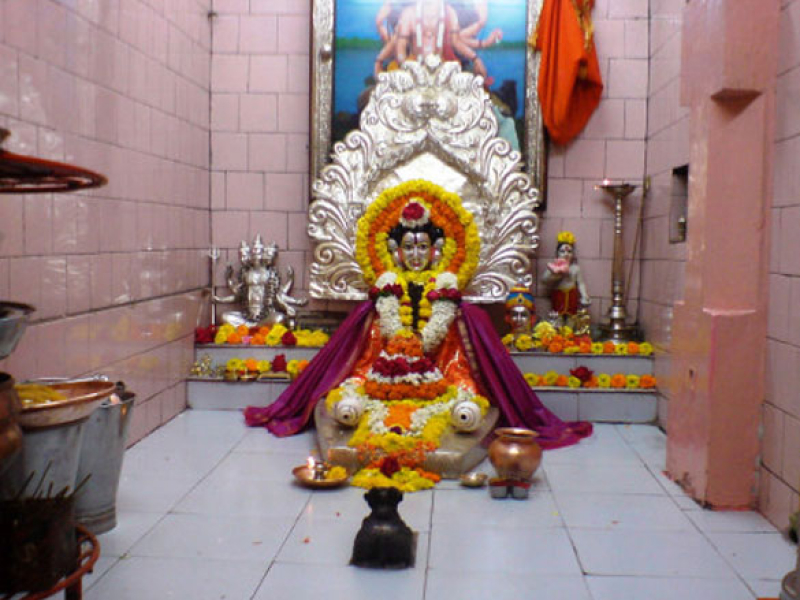
This town, close to Kolhapur, gets its name from the presence of ‘Shri Narasimha Saraswati’, the second incarnation of Lord Dattatreya. The famous temple for this Datta Master is located on the banks of the river Krishna. Shri Narasimha Saraswati is believed to have lived here for as long as 12 years. Though there are no images or idols here which show his presence, there are two padukas or slippers which immortalize his great avatar.

Audumbar
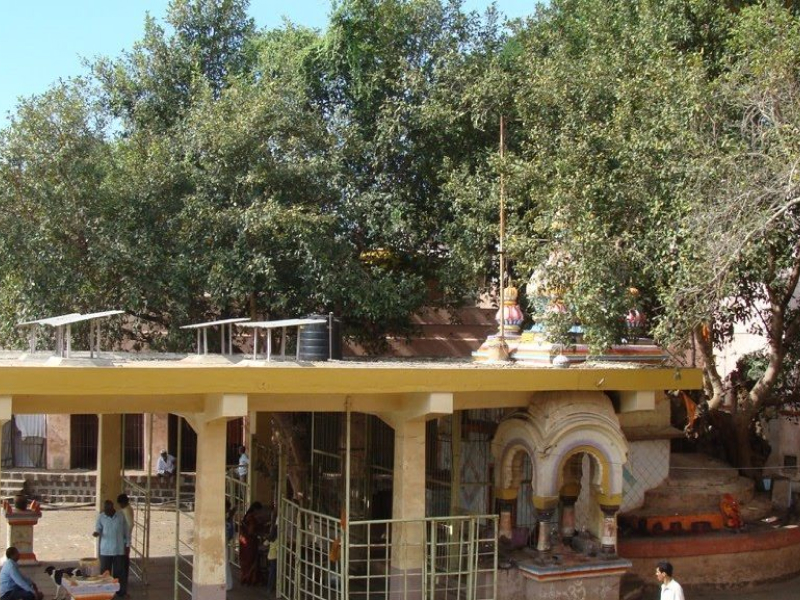
This town, not far from Narsobawadi, is famous for its Datta Temple which is built in honour of Shri Narsimha Saraswati, who left his home after the thread ceremony on a holy pilgrimage to engross himself in spiritual sadhana during the chaturmasya (four-month period). During this time, people noticed him and after the four months of sadhana, they asked him to stay for a bit longer. Though he left, he left his padukas behind under an audumbar (cluster fig) tree where he sat during his stay. A small shrine has been erected over this by a devotee. This is situated at a lovely spot on the banks of the Krishna River and devotees can have darshan of the padukas and soak in the energies of the space walked on by Shri Narsimha Saraswati.
Shankar Maharaj Samadhi Temple, Pune
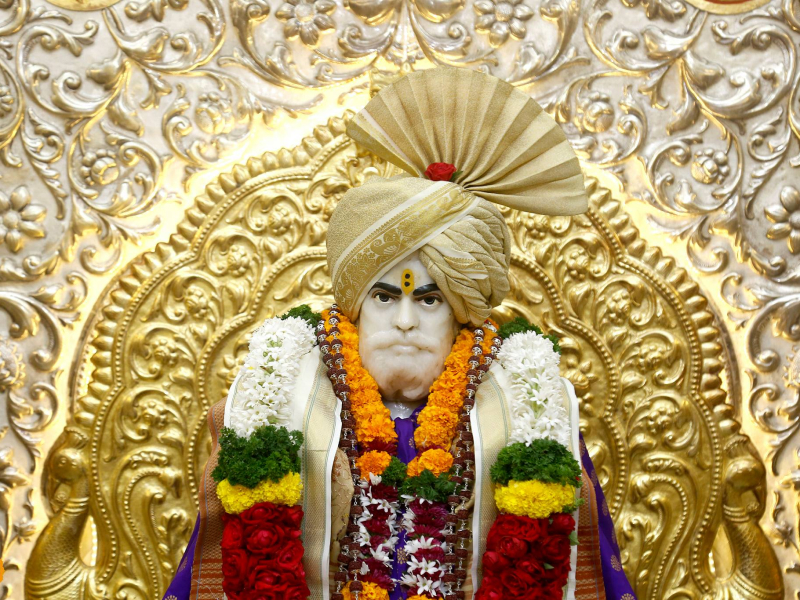
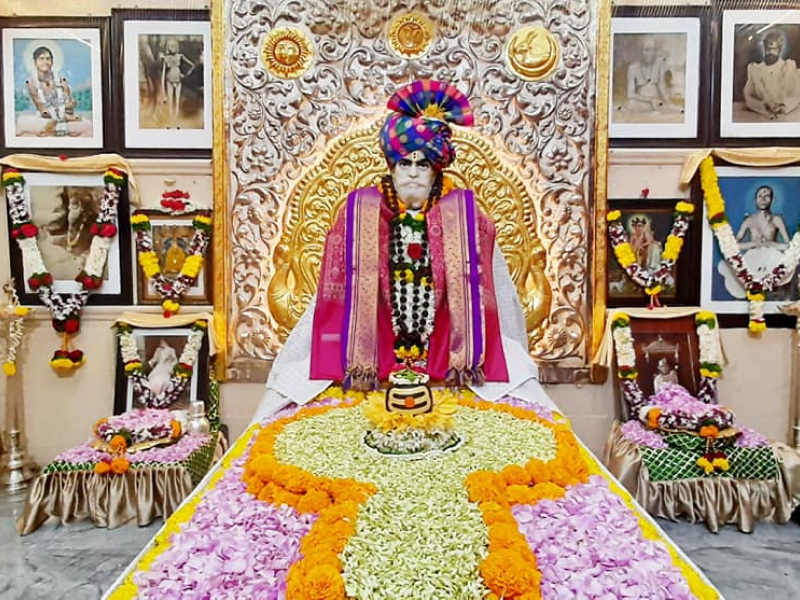
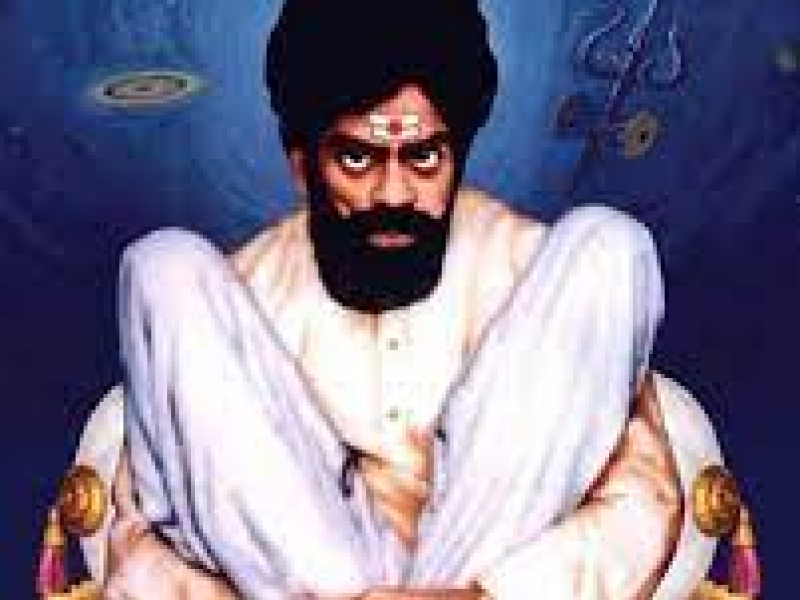
Shankar Maharaj, a Perfect Master in the Nath Siddhas tradition, lived an extraordinary life spanning nearly 150 years from 1800 to 1947. He was an Avadhoota of the Nath order but did not adhere to its traditional dress code or behaviors. Physically distinctive with a deformed appearance, often described as Ashtavakra, and possessing long arms that reached below his knees, Maharaj was most noted for his large, bright eyes and childlike expression.
He led a nomadic life, without a fixed headquarters or possessions, and often moved from place to place to meet devotees. Despite his lisped speech, which prevented him from giving discourses, he inspired devotion through bhajans and the reading of scriptures like Dnyaneshwari and Dasbodh. Maharaj, a follower of the Dattatreya tradition, was initiated by Swami Samarth of Akkalkot and traveled extensively across India. His final resting place, his samadhi, is located on the outskirts of Pune.
Hazrat Baba Jaan Dargah, Pune
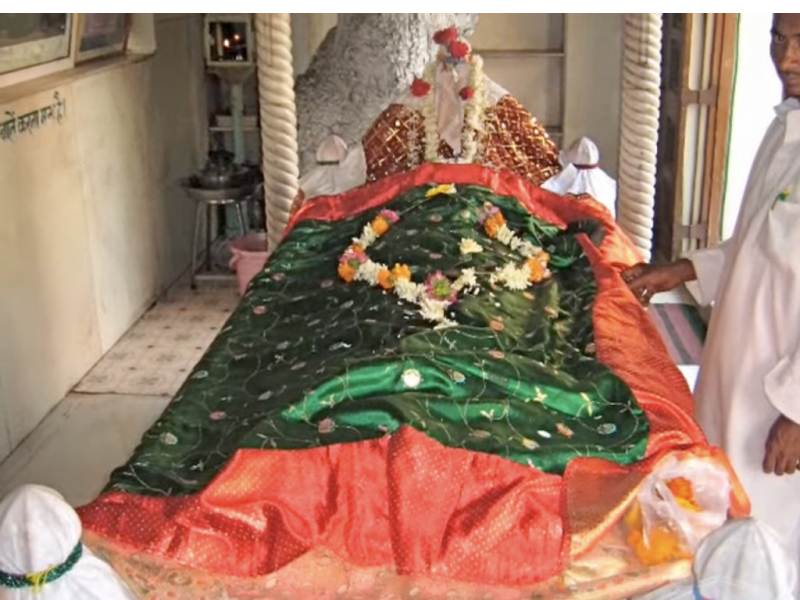
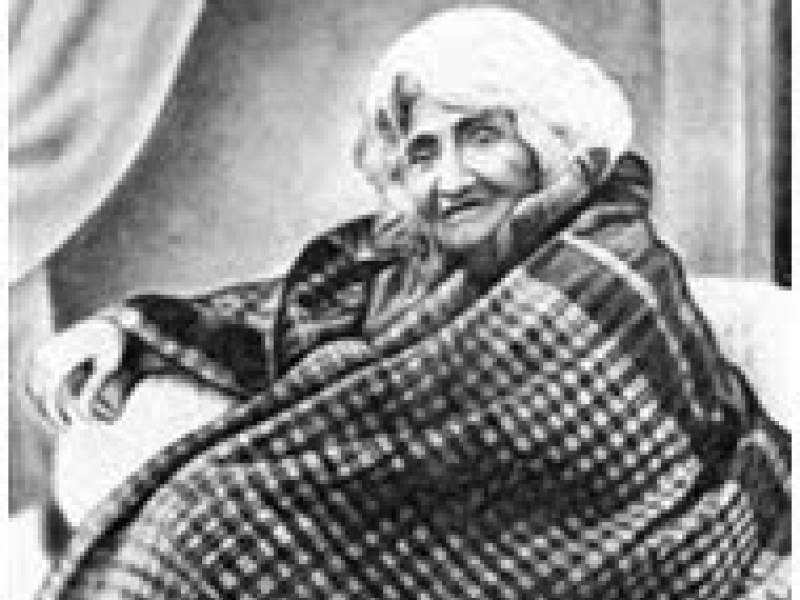
Hazrat Babajaan was a Muslim Saint considered by her followers to be a Sadguru. Born as Gulrukh in a part of Balochistan that is in modern-day Afghanistan, Babajan arrived in Pune by 1905 after travels to various countries. Her physical appearance was lovely and her inner spirit, like a rose, was full of fragrance, and she would attract people to herself wherever she went. She taught spirituality to her followers under a neem tree, with her followers spread across people from all religions and communities. After a spiritual sojourn of about 35 years in Pune, Hazrat Babajan left her body on 21st September 1931 at the ripe old age of 125 years, and the white marble dargah shrine was built alongside the neem tree under which she had sat for many years. She was the original guru of Meher Baba, an Indian spiritual master.
Junglee Maharaj Samadhi, Pune
The temple dedicated to Jangali Maharaj, also known as Guru Maharaj, was established in 1890. Jangali Maharaj was a Maharashtrian saint who lived in Pune and was a disciple of Swami Samarth of Akkalkot. He was said to have acquired his yogic capabilities through severe penance. He was believed to have meditated in the jungles of Bhamburde, earning him the nickname ‘Jangali Maharaj’ or ‘King of the Jungle’!
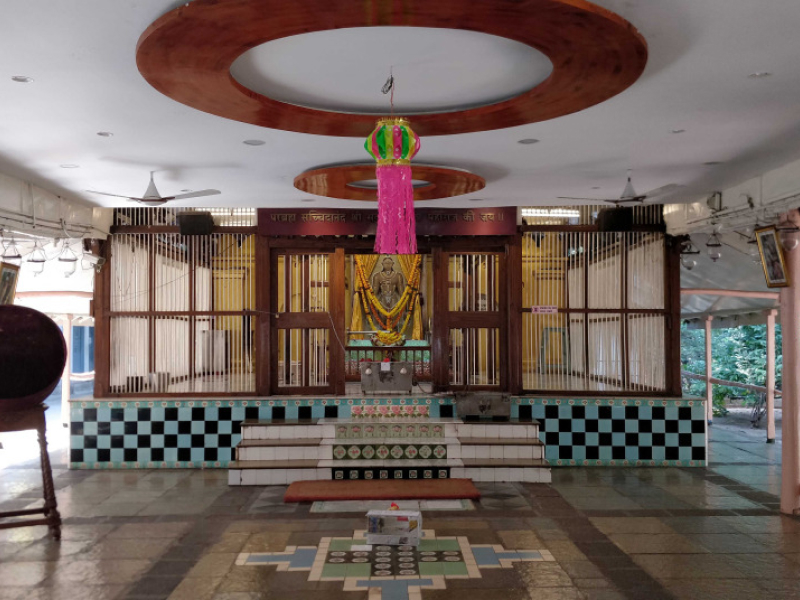
Sant Jnaneshwar Samadhi - Alandi
Sant Dnyaneshwar, a 13th-century poet and philosopher, is celebrated for his masterpiece, Dnyaneshwari, the first commentary on the Bhagavad Gita in Marathi, making the sacred text accessible to those unfamiliar with Sanskrit. A revered spiritual leader, he is known for performing miracles to guide people towards spirituality. His final resting place is in Alandi, near Pune, by the sacred Indrayani River.
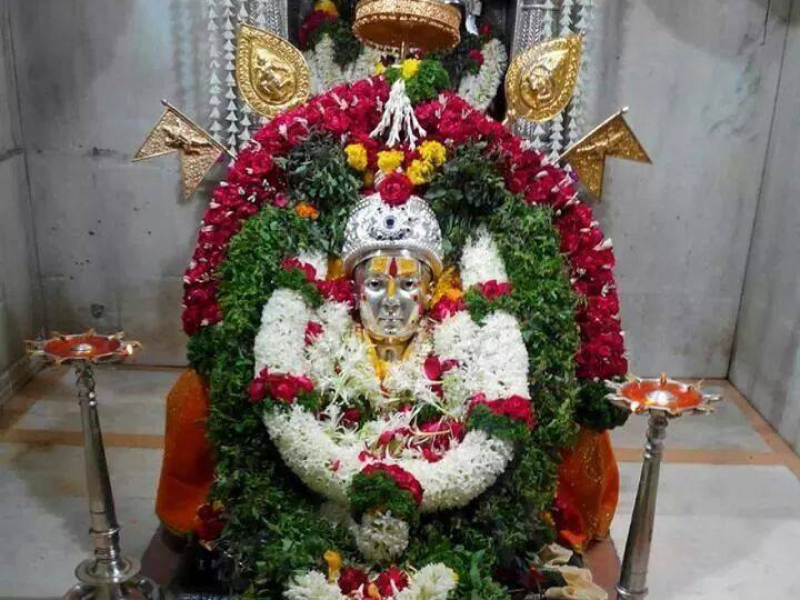
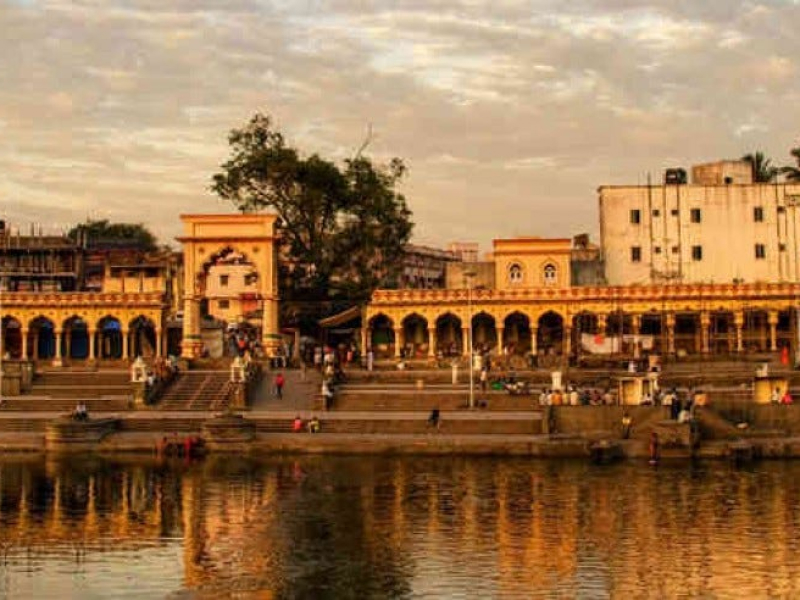
Sant Tukaram - Dehu
Sant Tukaram was a famous saint and luminary of the Bhakti movement. He was an ardent devotee of Lord Vitthala of Pandharpur and best known for his abhangs (devotional poems), many of which also dealt with social reform.
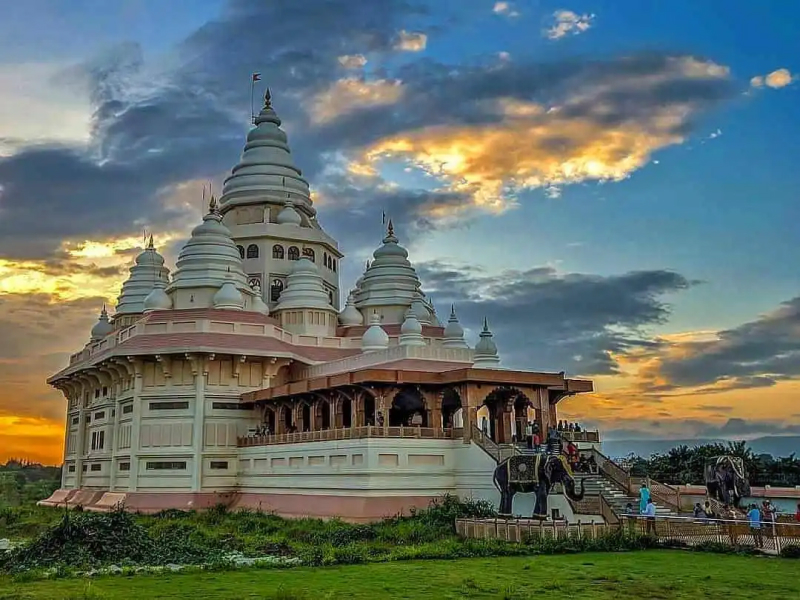
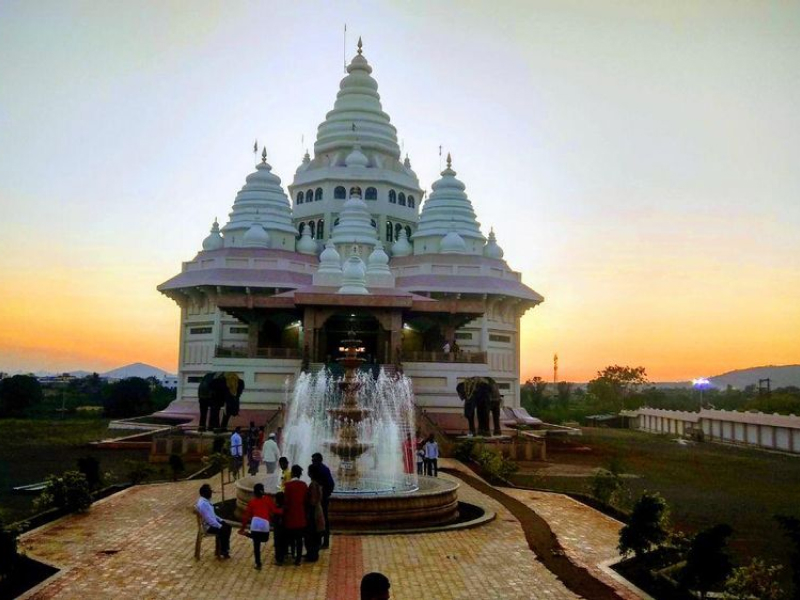
The saint hailed from Dehu, a town near Pune, on the banks of the Indrayani river. The town is famous for being his birthplace as well as the place from where the saint is believed to have ascended to Vaikuntha (abode of Lord Vishnu) in his mortal form. Dehu also has a temple built in honour of Saint Tukaram.
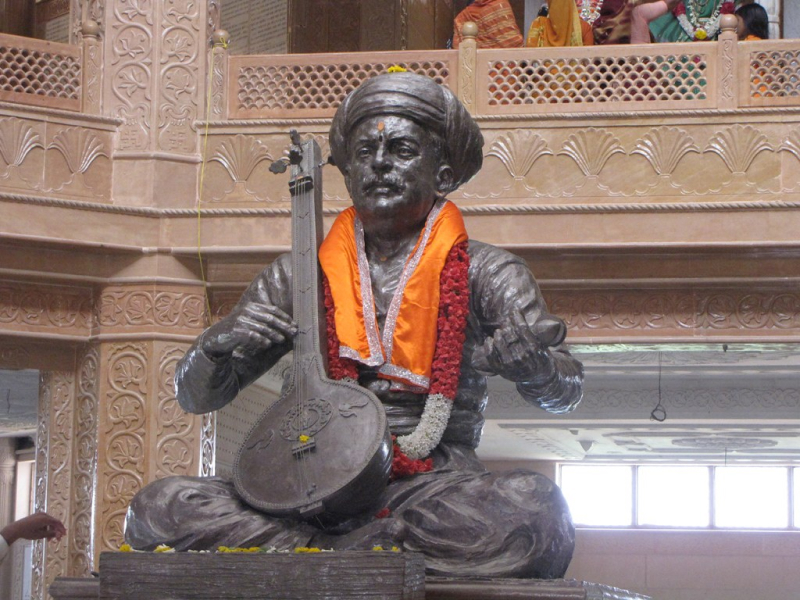
Shirdi
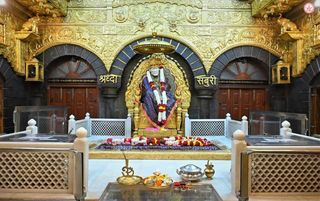
Shirdi is famous as the abode of Sai Baba who lived there until his mahasamadhi in 1918. Sai Baba of Shirdi was an Indian spiritual Master considered to be among the highest category of Yogis and seen as a manifestation of Lord Dattatreya. The sacred book about the first incarnation of Lord Dattatreya ‘Sreepada Sreevallabha Charitaamrutam‘written during his lifetime [1320-1350] prophesied the incarnation of Sai Baba. Sai Baba was equally revered among both Hindus and Muslims and is now worshipped all over the world. Today Shirdi is a pilgrimage hub for many devotees across the globe.
Sai Baba has a special place in the Mohanji family given His role in Mohanji’s own journey, and the pride of place of Sai Baba temples in all the Mohanji Centres of Benevolence across the world.

Kanifnath Samadhi - Madhi
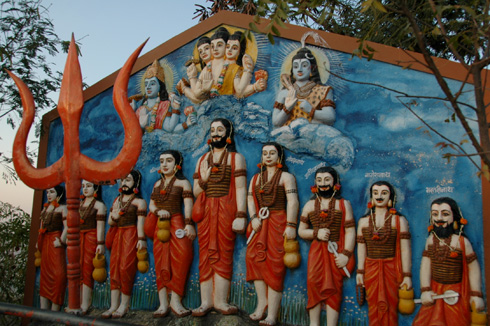
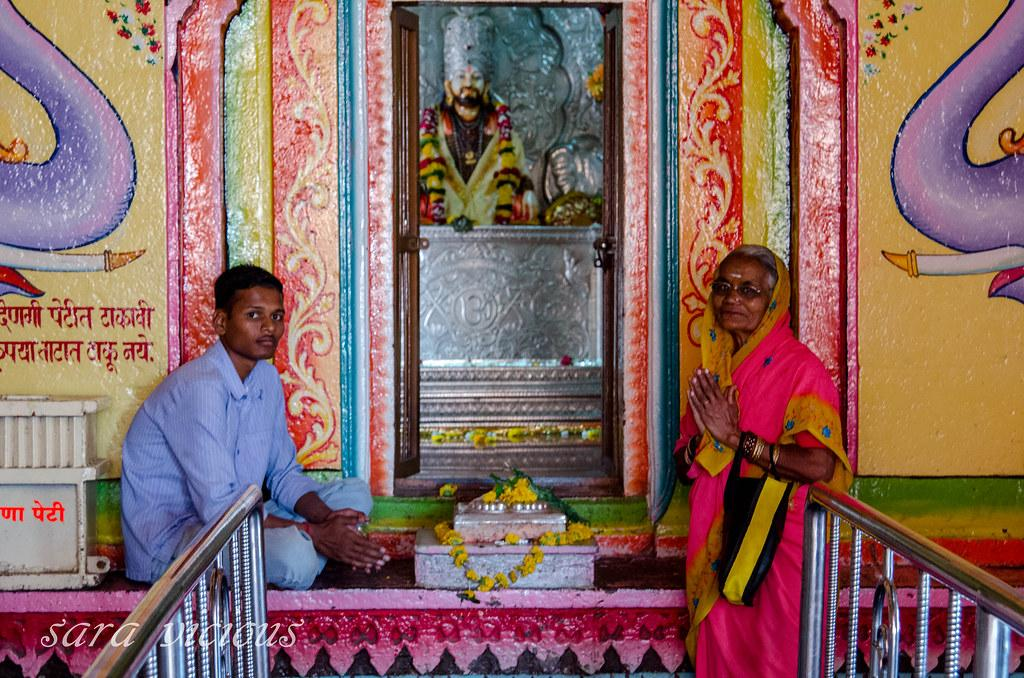
Kanifnath, recognized as one of the nine Maha Yogis of the Shaivic Navnath Sampradaya, is a significant figure among the Mahasiddhas, known by various names like Krshnacharya, Krshnapada, and Kanhoba. He has two prominent stories in the Naths’ tradition. In one, he is depicted as a powerful but arrogant Nath Yogi who repeatedly challenges and loses to Gorakshanath. In another narrative, as Kanupa, he is portrayed as a Vajrayana Siddha and disciple of Jalandarnath, practicing Hevajra mandala sadhana, which symbolizes the union of compassion and wisdom.
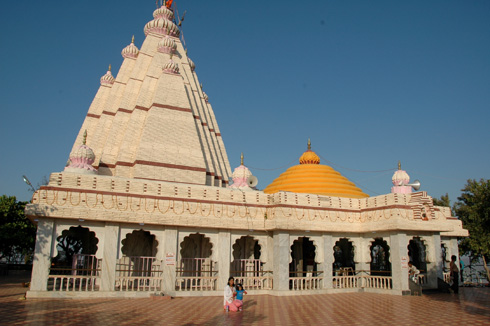
Kanifnath’s teachings emphasize non-dual reality and the Raja Yoga path, avoiding intellectual or ritualistic approaches. His samadhi, located in Madhi, Ahmednagar district, Maharashtra, features a temple with beautiful stone carvings. Notably, the temple has a unique entry ritual where only men, topless, can enter the main shrine through a small opening, crawling in and out to respect the sanctity of the shrine.
Matsyendranath Samadhi - Mayamba
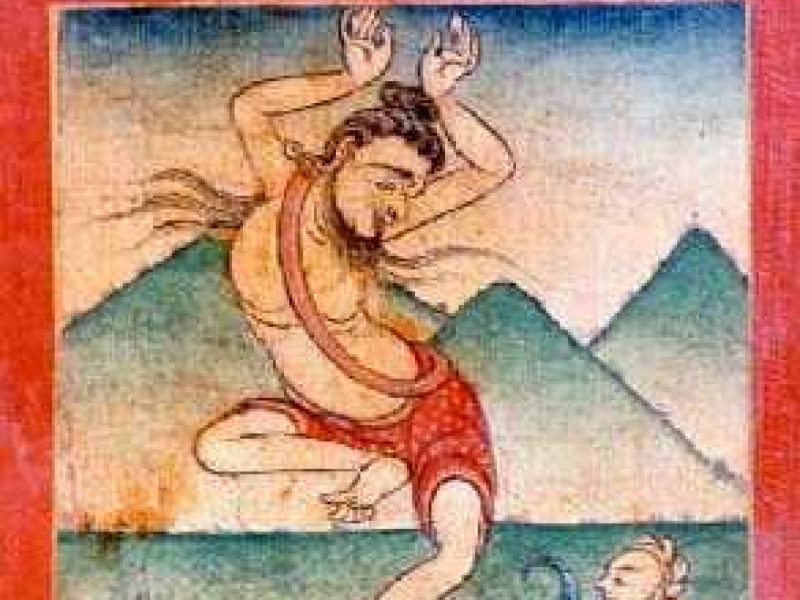
Matsyendra Nath, a renowned yogi in the Natha Sampradaya and Maha Siddha Tradition, is celebrated as the Guru of Gorakshanath and the founder of the Nath Tradition. Despite some views crediting Guru Gorakshanath as the founder, Matsyendranath, along with Jalandharnath, are acknowledged in the Guru Parampara as predecessors, earning him the title ‘Dada’ or grandfather guru.
Legend recounts that Matsyendra, born under an inauspicious star and cast into the ocean, was swallowed by a fish. Inside the fish, he overheard Lord Shiva sharing yoga secrets with Parvati and practiced them for twelve years, emerging as an enlightened Siddha. This experience inspired his name, ‘Lord of the Fishes’. Matsyendra Nath’s samadhi is located in Mayamba Sawargaon in Maharashtra’s Beed district.

Shani Shignapur
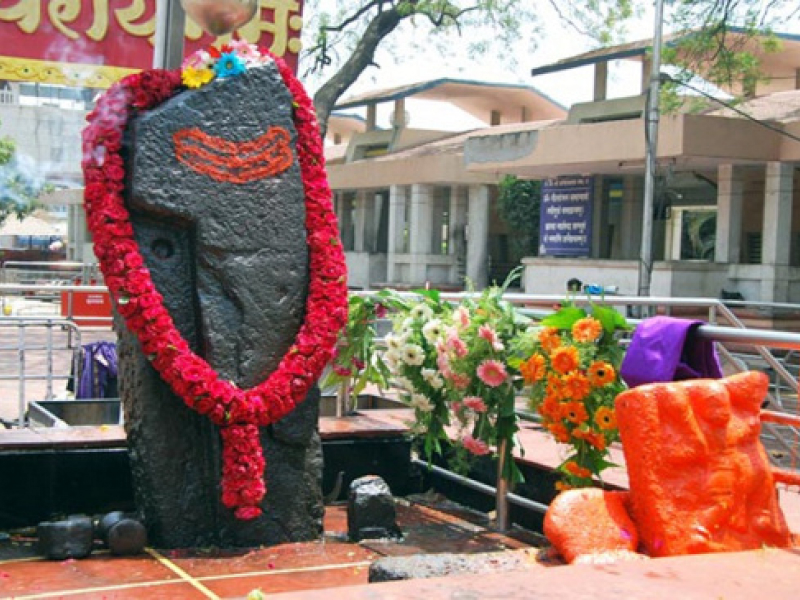
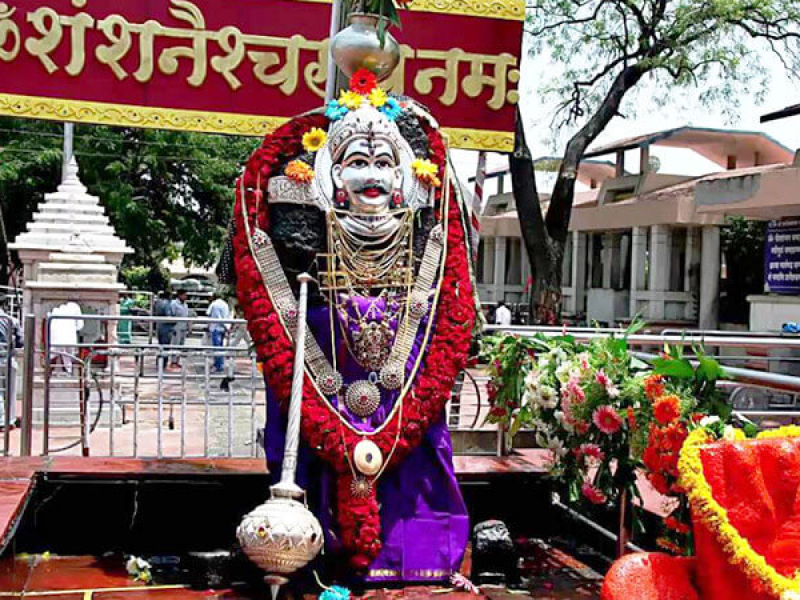
Shani Shignapur is a village in the Ahmednagar district of Maharashtra, famous for its popular temple of Shani (Saturn).
Shignapur is also famous for the fact that no house in the village has doors, only door frames. The villagers believe that God Shani punishes anyone attempting theft. The temple is believed to be a “jagrut devasthan” (“alive temple”), meaning that a deity still resides in the temple icon. The deity here is “Swayambhu” (self-manifested) from the earth in the form of a black, imposing stone.
Though no one knows the exact period, it is believed that the Swayambhu Shanishwara statue was found by shepherds. It is believed to have been in existence at least since the start of Kali Yuga.
Nath Mandir at Vajreshwari
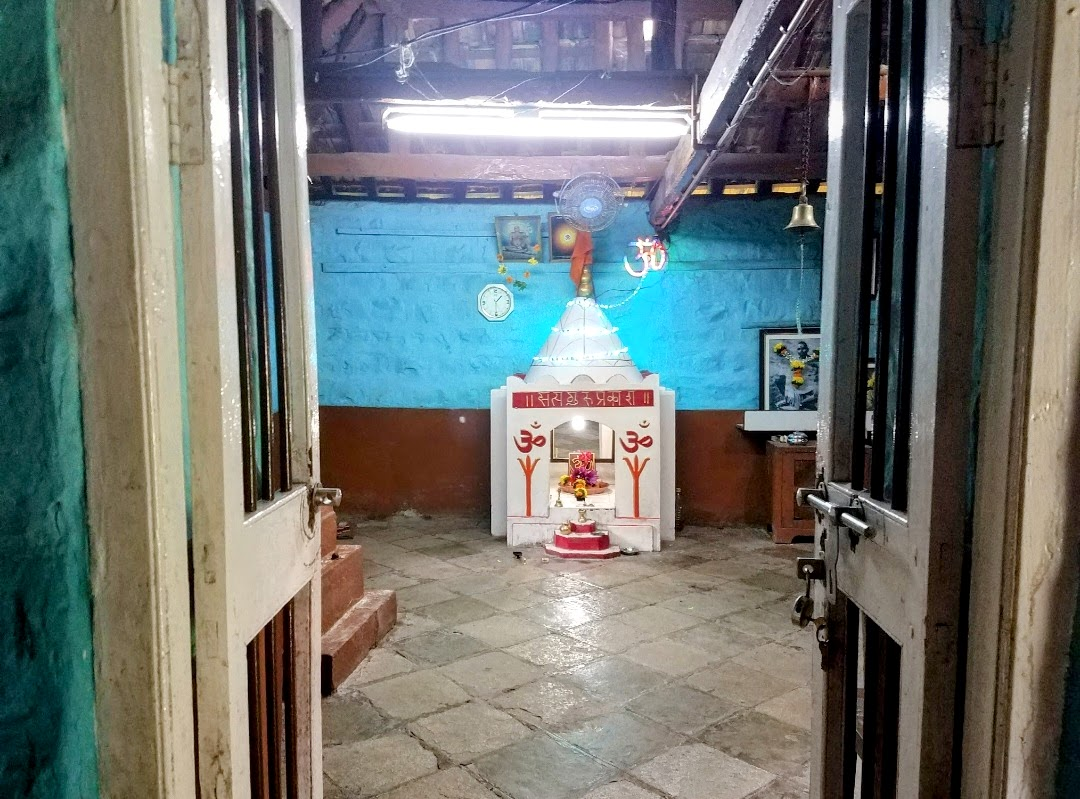
The Nath mandir at Vajreshwari is a small temple situated close to the main temple of Goddess Vajreshwari. This was managed for several years by a saint called Vasudevan Swami. Vasudevan Swami was very close to Mohanji and exemplified the power of devotion. The Nath mandir has been one of Mohanji’s favourite places to visit.
Vasudevan Swami said that the foremost of the Navnath Saints, the founders of the Nath Tradition, Matsyendranath, the main founder, and his disciple, Gorakshanath, did intense penance and austerities here to get the blessings of the Divine Mother, who pleased with their devotion, graced, and blessed them to write the most sacred book of the Nath Tradition, the Nath Rahasya (the secrets of the Naths). This temple houses the divine foot imprints of Matsyendranath and Gorakshanath and the wooden padukas worn by Bhagavan Nityananda. Hence, the name Nath Mandir (temple of the Naths).

Bhagwan Nityananda Samadhi - Ganeshpuri
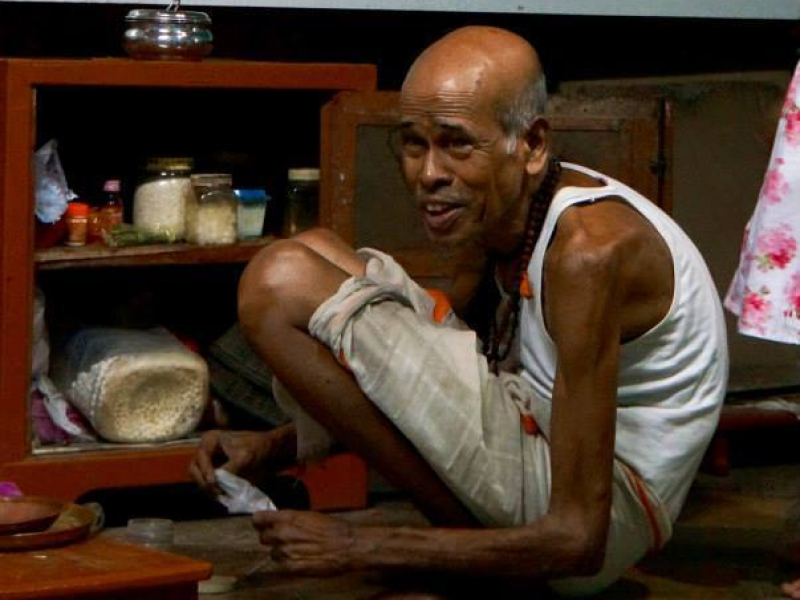
Bhagwan Nityananda, a revered spiritual master in the Dattatreya Tradition, arrived in Ganeshpuri in 1937, settling near the Bhimeshwar Mahadev temple’s hot springs, where his Samadhi temple now stands. His birth and early life are shrouded in mystery. According to Mohanji, Nityananda was found as an infant, safeguarded by snakes, and later adopted by Uniamma Nair and Chathu Nair, who named him Raman. Demonstrating spiritual mastery from a young age, his teachings are compiled in the “Chidakash Gita.”
Mohanji suggests that Nityananda was a Siddha from Naga Loka, aiming to impart the wisdom of Nagas to humanity. He is also celebrated as an Avadhoota and a ‘Guru of Gurus’, influencing many disciples who became significant spiritual leaders.

Welcome goodie bag

Breakfast, lunch and dinner on all days

Bottled water.

Internal travel during the program by AC minibus or similar vehicle

Accommodation in double-sharing rooms through the program (across different cities as mentioned in itinerary)

Visa expenses for India

Transportation to and from the airport

Travel expenses to and from the program start/end point